Peace on Earth: It’s Coming!


ICEA – “Church at Study”

Today we celebrate the birth of our Saviour (who is also the Prince of Peace). Peace is often something that is merely hoped for, or anticipated, by millions of unrestful souls around the world. At present, true peace reigns in the hearts of only a vast few in comparison to the masses who perpetuate hate and violence, or who have very little concern for goodwill toward men. From the very first murder of Abel at the hands of his brother Cain; the world is climaxing into a frenzy of violent acts against humanity. As a result…we often wish peace upon individuals and families this time of year, but in the midst of unstable and perilous surroundings. But peace is coming! It will be a time when…the wolf also shall dwell with the lamb, and the leopard shall lie down with the kid; and the calf and the young lion and the fatling together; and a little child shall lead them [the child will lead even the wildest of beasts] (Isaiah 11:6).

Very soon, nations who have governed with violence will be separated by the great Prince of Peace, who will eventually cast them from the earth, to make room for His peaceful reign. He will rule remaining nations and people with a rod of iron, bringing peace to all the world! Praise God, that day is approaching! Jesus Christ will come! Of the increase of [his] government and peace [there shall be] no end, upon the throne of David, and upon his kingdom, to order it, and to establish it with judgment and with justice from henceforth even for ever. The zeal of the LORD of hosts will perform this (Isaiah 9:7). Get ready, all the meek of the earth and all who truly seek peace and equity! Your blessing is great: The meek shall inherit the earth; and shall delight themselves in the abundance of peace. (Ps. 37:11) There is a day coming when God’s will will be done on earth as it is in heaven: Glory to God in the highest, and on earth peace, good will toward men! (Lk. 2:14)

National Sunday School (PCAF) Classroom and Online Training (Michigan)


photo 1

ADD TO YOUR FAITH…KNOWLEDGE!
(II Peter 1:5)

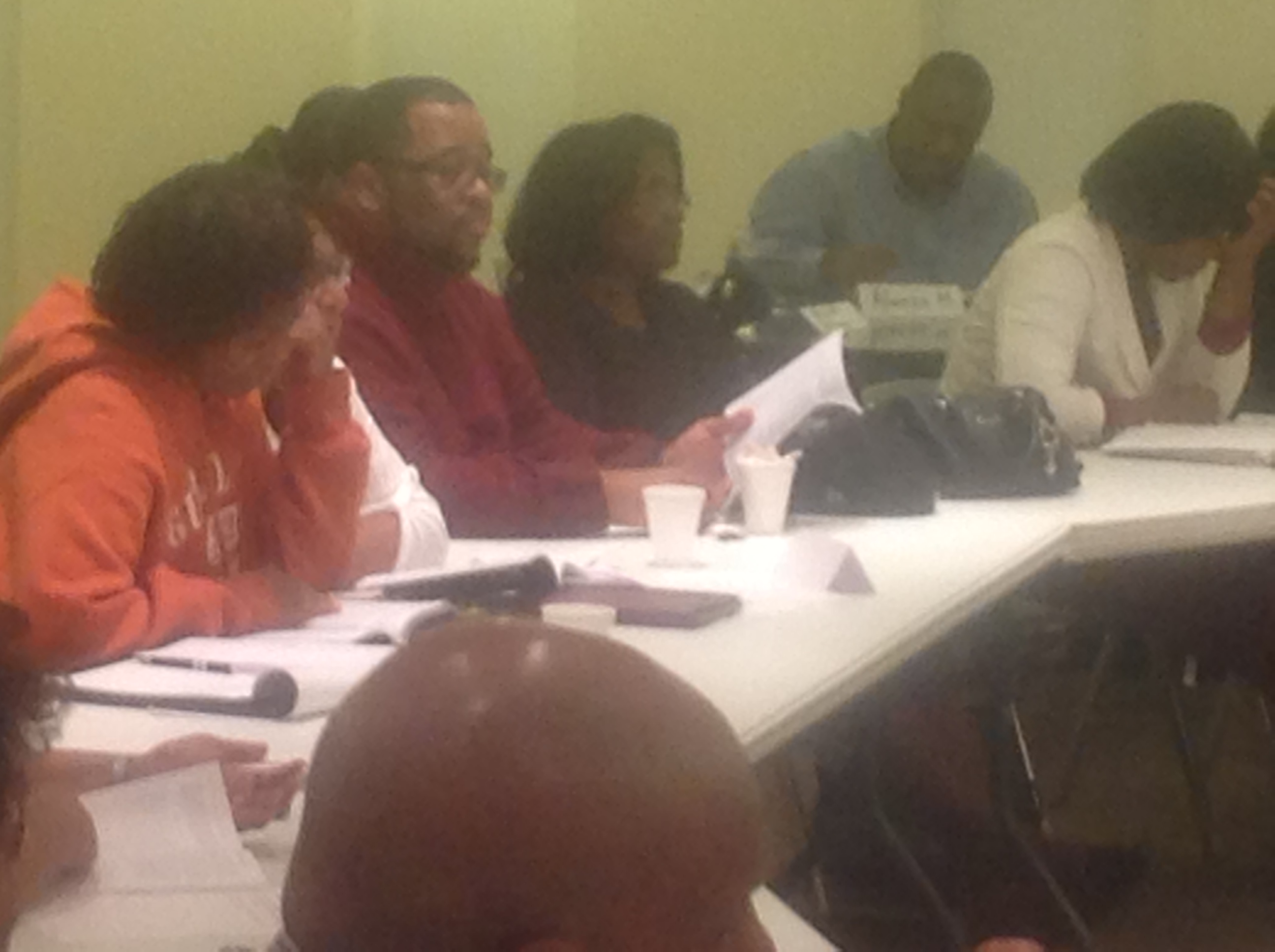
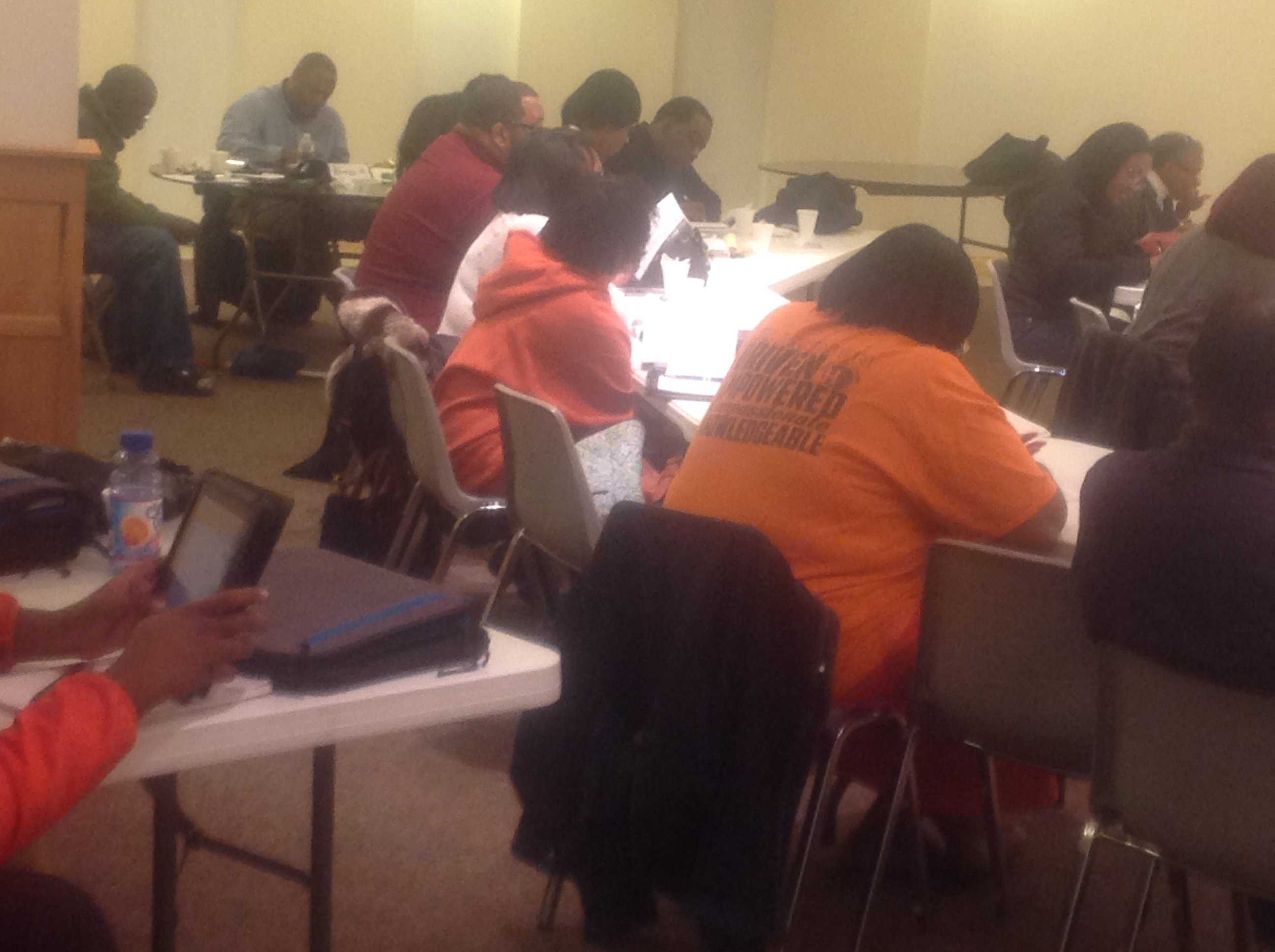
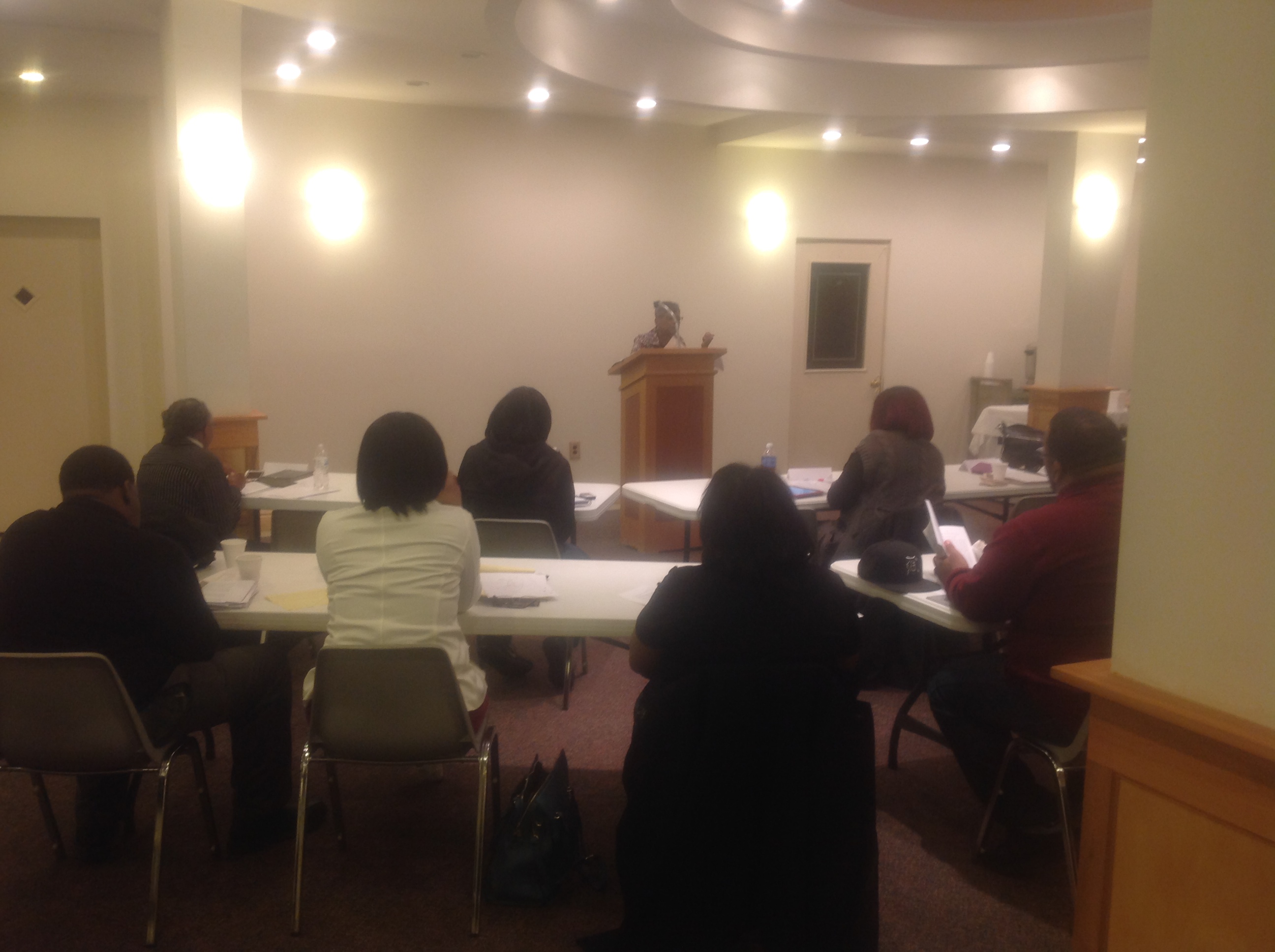
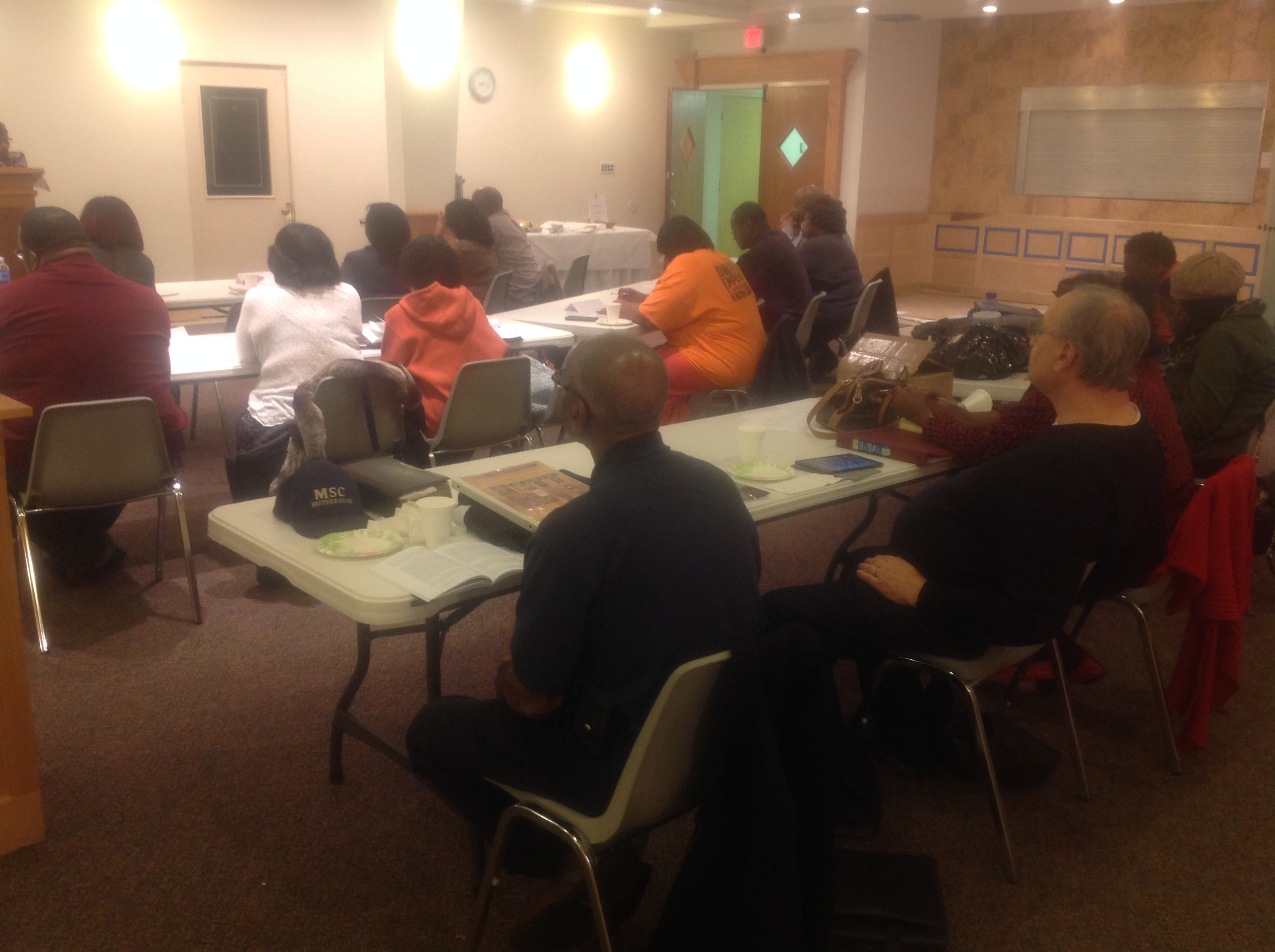
PCAF NATIONAL SUNDAY SCHOOL BIBLICAL CLASSROOM TRAINING (MICHIGAN) HAS BEGUN AT UNITY TEMPLE! SESSIONS CONTINUE EVERY MONDAY (FOR 9 MONTHS) FROM 6:30 P.M. – 8:45 P.M. THE 25 STUDENTS ENROLLED IN THIS QUALITY TRAINING ARE EXPECTED TO GRADUATE AT THE NATIONAL IN DETROIT, 2016. TEN SEASONED AND ANOINTED CLASSROOM INSTRUCTORS ARE CURRENTLY ROTATING AND TEACHING ON A WEEKLY BASIS. THIS IS THE LAST WEEK TO REGISTER IF YOU ARE INTERESTED IN JOINING OUR QUALITY CLASSROOM AND ONLINE TRAINING, CONTACT OUR DEAN, DEA. GENE CLAXTON or ELD. MIKE WILSON.

photo 2photo 3

photo 4photo

photo 5

Second Orientation for the PCAF In-Classroom and Online Biblical Training and Certification Program – Michigan Location


Orientation will be Monday, September 21st at 6 p.m.
We will meet at Nehemiah’s Temple, 25130 Lorraine, Warren, Michigan

CLASSES EXPECTED TO START LATE OCTOBER, 2015

Our Classroom and Online Training and Certification Program (held for Michigan students) is a course for all — teachers and serious students — who have an interest in furthering their knowledge of the Bible and related biblical issues. This quality classroom/online training has a $48 registration fee for the entire standard course. The total tuition (including registration fee and six books) is $150. You may get started with $65, which will include your registration fee, and first book to take to the classroom.

Details of Our Biblical Training

We will be studying in a classroom environment but the assignments will be done online. (During orientation, instructions will be given on how to take our “one-click” user friendly online quizzes.) Exceptions can be made to take written quizzes, as well.

The orientation will take place Monday, but the training will be every Monday from 6:30 PM until 8:45 PM. Excellent anointed and seasoned instructors will inform and train students in the classroom setting.  This will be a great opportunity for serious students to learn more about the Bible and biblical related issues. The duration of the course will last approximately 9 months. You do not need to attend all classes, but assignments are due each week prior to the next session. If you cannot make some sessions, you may do assignments online and submit them to be graded. Our studies will cover six books to complete the Biblical training. You will be able to use “open book” during the online quizzing. Quizzing for two chapters is required per week.

Standard Course Studies

Old Testament Survey I
Old Testament Survey II
New Testament Survey
Understanding People
Teaching Techniques
Sunday School Ministry

Payment is encouraged during the orientation. You can come with your questions. During this time a demonstration will be given on how to take the “one-click” online quizzes.

After completion of the course, you get the honors of being certified with the PCAF and graduating with students (from around the country) at the National Convention in Detroit 2016.

Thank you!
The PCAF National Sunday School Staff

Living In The Moment!


ICEA – “Church at Study”

At the heart of this article are the words: “Living In The Moment.” The author defines this statement as: “God…who suddenly makes Himself real in a moment…despite what conditions we are faced with at that time concerning our past — and our uncertain future.” Nothing else matters at that time but the MOMENT when we are experiencing the “realness” of God!

Many of us have experienced times when God has been so real.  These are brief moments when we are impressed through revelation, meditation, prayer, or some other means when the Spirit of God overwhelms our spirit. During these times God has helped us to regain confidence and renew our faith in Him. We need moments with God —  times to reflect on what He has done for us in the past and to be assured of a successful future in Him.

In Genesis 32, Jacob experienced “a moment” with God that forever changed his life. But…before his life-changing experience, he had lived many years as a deceiver and con. It’s hard to understand how, even as an infant at birth, Jacob seemed to want to position himself for mastery (Gen. 25:22) over his twin brother Esau:

Gen. 25:24 And when her days to be delivered were fulfilled, behold, [there were] twins in her womb. 25 And the first came out red, all over like an hairy garment; and they called his name Esau. 26 And after that came his brother out, and his hand took hold on Esau’s heel; and his name was called Jacob: and Isaac [was] threescore years old when she bare them.

Jacob was named after this experience. His name means “holder of the heel” or “supplanter.” Supplanter means “one who wrongfully or illegally seizes and holds the place of another.”

Then…there is the account were Jacob and Esau were young men in the field. Jacob, with his cunning ways, tricked Esau out of his birthright:

29 And Jacob sod pottage: and Esau came from the field, and he [was] faint:
30 And Esau said to Jacob, Feed me, I pray thee, with that same red [pottage]; for I [am] faint: therefore was his name called Edom.
31 And Jacob said, Sell me this day thy birthright.
32 And Esau said, Behold, I [am] at the point to die: and what profit shall this birthright do to me?
33 And Jacob said, Swear to me this day; and he sware unto him: and he sold his birthright unto Jacob.
34 Then Jacob gave Esau bread and pottage of lentiles; and he did eat and drink, and rose up, and went his way: thus Esau despised [his] birthright.

There are other biblical accounts when Jacob tricked his uncle Laban, even though God was orchestrating these events to Jacob’s advantage.

Prior to his experience with his uncle Laban, Jacob (with his mother’s help) tricked his father, Isaac (Gen. 27). They fooled the old and dim-sighted father into thinking Jacob was Esau, thereby stealing the blessing Isaac would have given to Esau:

21 And Isaac said unto Jacob, Come near, I pray thee, that I may feel thee, my son, whether thou [be] my very son Esau or not.
22 And Jacob went near unto Isaac his father; and he felt him, and said, The voice [is] Jacob’s voice, but the hands [are] the hands of Esau.
23 And he d
iscerned him not, because his hands were hairy, as his brother Esau’s hands: so he blessed him.

This experience made Esau furious and he sought to kill Jacob. Jacob’s past had finally caught up with him, so he escaped and ran for his life some 400 miles away, residing with his uncle Laban. He lived with Laban over 14 years, until Laban also sought to do him harm. Even though God told Jacob to return to his homeland, he felt Esau would certainly be waiting to take his life. Nevertheless, Jacob took all his belongings and fled from Laban to returned to meet his fate. Jacob was now on the run with no established past and his future seemed uncertain. Somewhere between where he had left and where he was going, he met “a man”. This man was shrouded in mystery, but it’s safe to say from the scriptures, the “man” had power with God! Maybe he was an angel, veiled in the form of a man. Or…maybe…this was a rare occasion when God was in the person of Jesus Christ! Without any further speculation — the real thrust of this article is JACOB EXPERIENCED THE PRESENCE OF GOD SUDDENLY, or IN A MOMENT. He knew this experience would change his life forever! Similar to Jacob experience…there are times we have to live in the moment: without regret for our past and no regard for an uncertain future. THIS IS THAT MOMENT WHEN YOU SENSE THE REALNESS OF GOD’S PRESENCE. This is the moment, despite conditions, God thunders in our spirit that everything will be alright! With this assurance, we get up from where we are to go forward in faith to meet a destiny led by God. And if God is for you, do you know of anyone who has the power to stand against you? Also…times will change our circumstances and conditions, but God will always be waiting for us to find His comforting presence and assurance when we truly reach Him “in the moment!”

Seek God’s Strength!


ICEA – “Church at Study”

My soul waits in silence for God only;
From Him is my salvation.
He only is my rock and my salvation,
My stronghold; I shall not be greatly shaken.
– Psalm 62:1-2

David was the writer of Psalm 62 above. He was also a great warrior who had strength and ability to lead the nation of Israel. Israel’s army rallied behind him and, together, they won many victories against their enemies. By all accounts the nation trusted him as a victorious and strong leader. Where did David’s strength come from? Reading from (no doubt) David’s writings, it’s safe to say that he SOUGHT God for his continual strength:

Seek the Lord, and his strength: seek his face evermore.
– Psalm 105:4

He wrote from pages in history to tell us what had been his success in leading God’s great nation. It had little to do with his ability to amass chariots or to strategize on a human level, but his directive came from his abiity to SEEK GOD and get His STRENGTH.

From Psalm 62:2, he writes:

“I won’t be greatly moved.”

Using David’s example, we’re talking about getting to a place where we come to trust God’s strength and allow His strength to be infused and channeled through what strength we possess.

As a result of David being victoriously engaged with his opposers (Psalm 62:1-2), it makes sense why he wrote verse 3:

How long will ye imagine mischief against a man?
ye shall be slain all of you: as a bowing wall
shall ye be, and as a tottering fence.

As great and confident as David was, he knew his limitations and taught Israel the reason for his successes (vs. 8):

Trust in him at all times; ye people, pour out your
heart before him: God is a refuge for us. Selah.

The strength that David possessed came from his two-pronged approach to everything that he did. He had the ability to “trust” and “pour out his heart” to God. David also used the word “refuge” in the verse above. Similar biblical words used in scriptures are: high tower, fortress, defense, and stronghold. These words are used as places of security from an enemy. David had built such a relationship with God that he knew SEEKING HIM was next to being strong and “fortress-like.” Only through continually seeking God can we acquire strength and see our foe’s defense as being like bowing walls or weak fences. Throughout this Psalm he speaks similar words (vs. 5-7) because he’s sure God will meet his expectations with STRENGTH and he is even more resolved in his stance not to be overthrown.

As a teacher to Israel, he taught that human strength and resources are frail and don’t last (vs. 9-10):

Surely men of low degree are vanity, and men
of high degree  are a lie: to be laid in the balance,
they are altogether lighter than vanity.
Trust not in oppression, and become not vain in robbery:
if riches increase, set not your heart upon them.

David, the strong but limited warrior, had heard from God (vs. 11) and early in his life he had come to understand that God was the source of his strength:

God hath spoken once; twice have I heard
this; that power belongeth unto God.

Many of us are not warriors in the sense that David was. We are average people with families and lives to lead. Yet, we have been called to engage in everyday battles with real problems that can amount to devastating consequences if we are not strengthened by the things of Christ. It would be our wisdom if we would take frequent times to SEEK THE LORD and HIS STRENGTH, and to SEEK HIS FACE evermore!